Inspection
This Travel Trailer Was Brand New. Here's What Our Inspection Still Found.
By Brad Tomlin · July 3, 2026
There's a common assumption we hear a lot: "it's brand new, so it doesn't need an inspection." We get it: the RV hasn't been camped in, hasn't been towed down a washboard road, hasn't had three seasons of a family bouncing around inside it. It should be flawless.
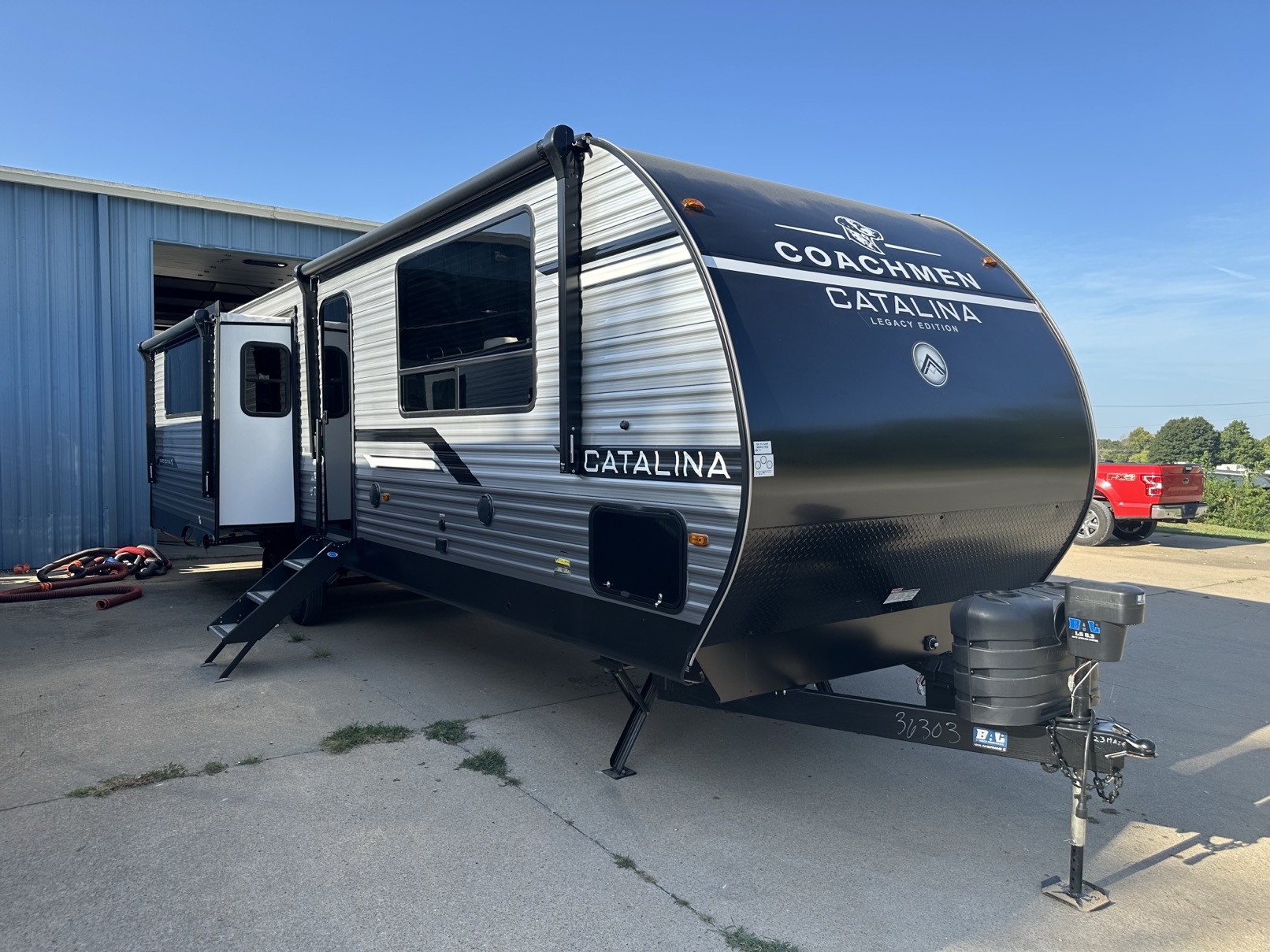
It usually isn't. A 2026 Coachmen Catalina travel trailer we inspected recently, sitting vacant on a dealership lot and never delivered to an owner, is a good example of exactly why.
The one we flagged first
Every inspection includes a life-safety check on the smoke detector, and this one couldn't complete its functional test. The unit was missing its 9V battery entirely. That's not a defect that shows up on a walkthrough or a sales sheet. It's the kind of thing nobody notices until the moment they actually need it to work, which is precisely why it's a required check, not an optional one.
Exterior: small things that don't stay small
A few issues on the outside of the trailer, all minor on their own, but exactly the kind of thing that's cheap to fix now and expensive to ignore:
- The front cap's diamond-plate rock guard had a screw backing out and a small dent on its underside.
- The seal on the front curbside trim rail cap was sliding out of its track. Cosmetic today, but any gap in a seal is a path for water to get into places it doesn't belong.
- The rear underbelly coroplast had minor damage on the curbside.
- A sidewall sticker was starting to peel, purely cosmetic, but worth noting before it collects road grime underneath.
Inside the cabin
A handful of small items that add up:
- The bedroom's sliding door had come off its track.
- A grab bar's center screw was backing out.
- The loveseat had two screws working loose: one on the back panel, one on the hinge.
- A front slideout's window shade wouldn't stay retracted.
- The slideout overlap trim was starting to curl at the edges, a cosmetic notice item, but one worth watching over time.
None of these are dramatic. Every single one is also something a buyer walking through the unit for twenty minutes at a dealership would almost certainly miss, not because they're not paying attention, but because that's not what a twenty-minute walkthrough is built to catch.
Why this matters even on a new unit
A pre-purchase inspection isn't a referendum on the manufacturer or the dealer. Assembly-line production means small things get missed, and that's true of any manufactured product, RVs included. The point of a certified inspection is to catch that punch list before it becomes your problem instead of the seller's, and to make sure the one item that actually matters for your safety, like a working smoke detector, gets fixed before you ever spend a night in it. Every inspection we perform follows NRVIA's Code of Ethics and Standards of Practice, which is exactly why a written, documented report holds up when you're negotiating a punch list with a dealer.
New, used, or somewhere in between, if you're buying an RV, get it inspected first. Book an inspection and we'll tell you exactly what's really there.